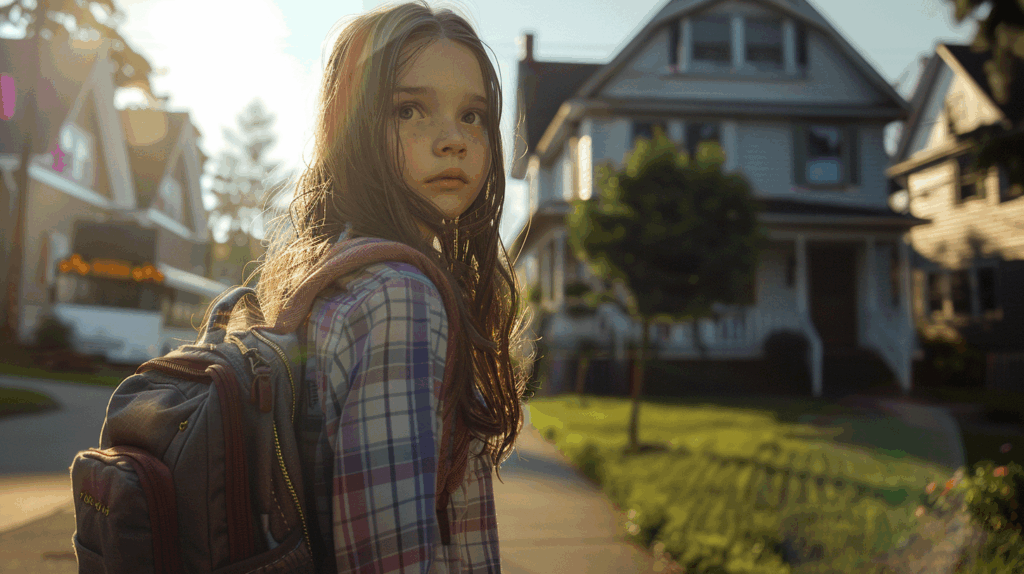
Your 10-year-old seems fine. She’s getting good grades. She has friends. She doesn’t complain when you and your ex exchange hostile texts while she’s in the room.
You tell yourself she’s resilient. That kids adapt. That she doesn’t really understand what’s happening.
Here’s what the research actually shows: She understands more than you think. And the impact doesn’t end when she turns 18.
What We Know From Decades of Research
Longitudinal studies following children of divorce into adulthood paint a clear picture. High-conflict co-parenting doesn’t just affect kids during childhood—it shapes their adult relationships, mental health, and even physical health decades later.
Children exposed to ongoing parental conflict show:
Higher rates of anxiety and depression that persist into their 20s and 30s, even after the conflict stops.
Difficulty forming and maintaining romantic relationships, often repeating patterns they witnessed.
Increased risk of divorce in their own marriages—the cycle continues.
Physical health impacts including higher cortisol levels, sleep problems, and stress-related illnesses.
Lower educational attainment and career achievement due to disrupted focus during critical developmental years.
This isn’t about divorce itself. Children of low-conflict divorces generally adapt well. It’s the ongoing warfare between parents that causes lasting harm.
The Critical Windows
Certain developmental periods are especially vulnerable to parental conflict.
Ages 3-7: Building the Foundation
Young children exposed to high conflict develop insecure attachment patterns. They learn that relationships are unstable and adults can’t be trusted to regulate their own emotions.
What this looks like: Your 5-year-old becomes hypervigilant, constantly scanning for signs of conflict. She tries to keep everyone happy, taking on an emotional burden no kindergartener should carry.
Long-term impact: Difficulty trusting romantic partners, anxiety in intimate relationships, tendency to stay in unhealthy situations to “keep the peace.”
Ages 8-12: Understanding and Internalizing
School-age children can understand what’s happening between their parents. They often blame themselves, believing they caused the divorce or could fix the conflict if they were better.
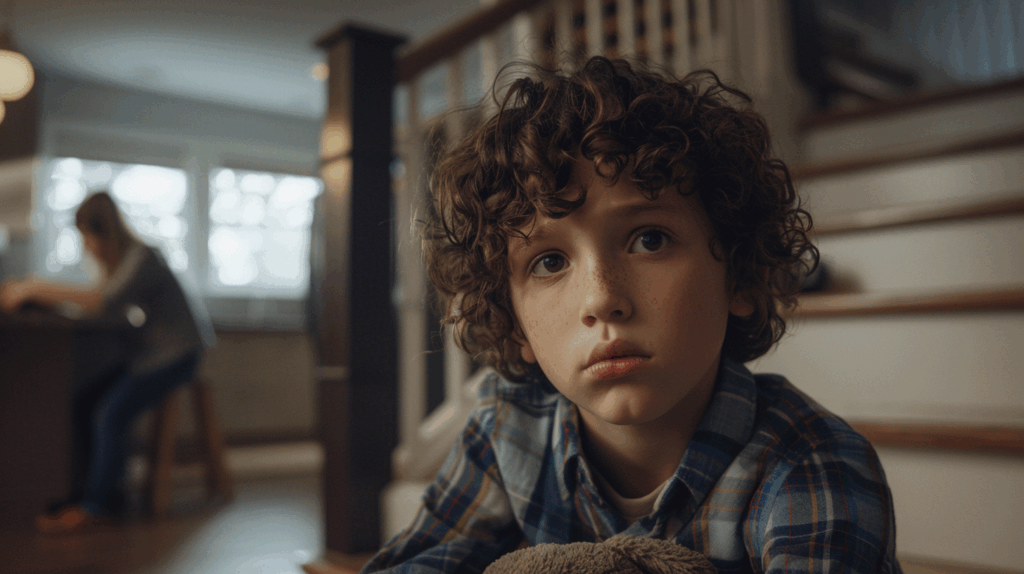
What this looks like: Your 10-year-old asks to stay home from activities so you won’t have to see your ex. He develops stomachaches before transitions. He stops talking about what happens at the other parent’s house.
Long-term impact: Perfectionism, people-pleasing, difficulty setting boundaries, carrying guilt that isn’t theirs to carry.
Ages 13-18: Identity Formation
Teenagers exposed to high conflict often struggle with their own identity formation. They may choose sides, reject one parent, or try to parent their parents.
What this looks like: Your 15-year-old refuses to visit the other parent. Or becomes the messenger between you and your ex. Or withdraws completely, spending all their time in their room.
Long-term impact: Relationship avoidance, difficulty with commitment, repeating dysfunctional patterns in their own relationships, struggles with emotional regulation.
The Mechanisms of Harm
Why does parental conflict cause such lasting damage?
Chronic Stress Response
Children exposed to ongoing conflict live in a state of heightened stress. Their nervous systems never fully relax. They’re always waiting for the next fight, the next crisis, the next text message meltdown.
This chronic stress floods their developing brains with cortisol, affecting brain structure, memory formation, and emotional regulation capacity.
Attachment Disruption
Children need to feel safe with both parents. When parents are locked in conflict, children can’t relax into secure attachment with either parent. They’re too busy managing the adult emotions around them.
Modeling Dysfunction
Children learn about relationships by watching their parents. When you and your ex communicate with hostility, blame, and manipulation, you’re teaching your child that’s how people who once loved each other behave.
They will bring these lessons into their own relationships.
Lost Childhood
Children caught in high-conflict co-parenting often become small adults. They mediate, they manage logistics, they comfort distressed parents. They lose the carefree exploration that childhood should provide.
This parentification creates adults who struggle with their own needs and boundaries.
What Adult Children Say
Research interviewing adult children of high-conflict divorce reveals common themes.
“I never learned how to fight fairly.”
They watched their parents use contempt, stonewalling, and character attacks. When conflicts arise in their own relationships, they default to what they learned.
“I don’t trust that people will stay.”
They watched a relationship completely deteriorate. Even decades later, they struggle to believe their own relationships will last.
“I felt responsible for everyone’s happiness.”
They spent their childhood trying to fix their parents’ problems. As adults, they struggle to let others take responsibility for themselves.
“I’m still waiting for the other shoe to drop.”
That chronic vigilance from childhood never fully goes away. They scan for danger even when there isn’t any.
The Good News: You Can Change This Trajectory
The research on resilience is equally clear: when parents reduce their conflict, children’s outcomes improve—even years into the divorce.
Children are remarkably adaptable when given the chance. Stopping harmful patterns today still protects your child’s future.
What Makes the Difference
Conflict reduction, not elimination
You don’t have to be friends with your ex. You don’t even have to like them. You just have to stop weaponizing your communication and keep your child out of the middle.
One stable parent is protective
Even if your co-parent remains high-conflict, your calm presence is a protective factor. Children with one emotionally regulated parent fare better than children with two dysregulated parents.
Therapy helps
Both for you and for your child. Therapy gives children tools to process what they’re experiencing and helps them understand it’s not their fault.
Age-appropriate honesty
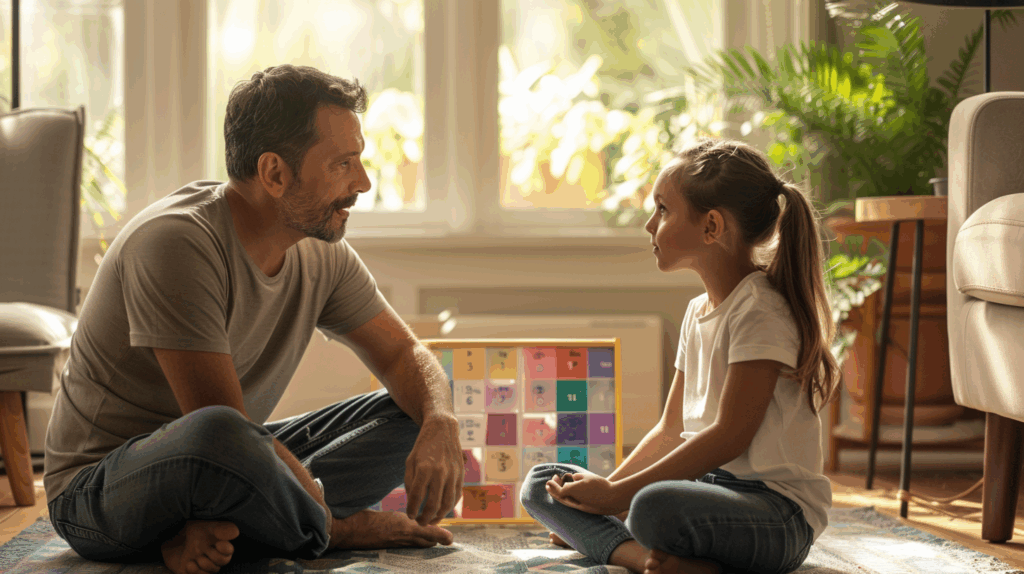
Don’t lie about the divorce or pretend everything’s fine. But don’t overshare or use your child as a confidant. There’s a middle ground that validates their experience without burdening them.
Consistency in your home
You can’t control the other parent’s home. You can create stability, predictability, and emotional safety in yours.
Specific Actions You Can Take Today
Stop fighting in front of your children—including via text
If your child sees you typing angrily, they feel it. If you’re stressed before reading your ex’s messages, they notice. Handle all conflict communication when your child isn’t present.
Never use your child as a messenger
“Tell your father…” is not co-parenting. It’s parentifying your child and forcing them to navigate adult conflicts.
Don’t ask your child to keep secrets from the other parent
“Don’t tell your mom…” teaches your child that relationships require deception and divided loyalty.
Attend to your own regulation
Your child watches how you handle stress, conflict, and big emotions. Show them what healthy coping looks like.
Watch for signs your child is struggling
Changes in sleep, appetite, grades, friendships, or mood all signal your child is carrying too much. Get them support.
Protect transitions
Pickups and drop-offs should be brief, neutral, and drama-free. No arguing, no last-minute demands, no lingering tension your child has to navigate.
The Research Is Clear on This
A 20-year longitudinal study published in Child Development found that children whose parents reduced their conflict during middle childhood showed better adult outcomes than children whose parents remained high-conflict throughout their childhood.
Translation: It’s not too late to change your child’s trajectory.
Another study in Journal of Family Psychology found that young adults who witnessed less parental conflict during their teen years had healthier romantic relationships in their 20s—even if their parents’ early divorce was high-conflict.
Translation: Every year you reduce conflict matters.
What Your Child Needs From You
Not perfection. Not friendship with your ex. Not a complete absence of disagreement.
Your child needs:
Parents who can be in the same space without creating tension Communication that stays out of their line of sight Adults who handle adult problems without involving kids One place in their life where they feel completely safe Permission to love both parents without guilt or pressure
That’s it. That’s the list.
Your Next Steps
- Evaluate your current conflict level honestly. Ask yourself: If my child wrote about their experience 20 years from now, what would they say?
- Identify one pattern you can change. Maybe it’s not texting your ex when angry. Maybe it’s stopping the hostile handoffs. Pick one thing.
- Get support for yourself. You can’t regulate your behavior if you’re dysregulated. Therapy, support groups, stress management—find what works.
- Watch for signs your child needs help. Don’t wait for them to ask. Kids often can’t articulate what they’re experiencing.
Your child is watching how you handle this divorce. Not just during pickups and drop-offs, but in every text message you send while they’re in the room, every eye roll when their other parent’s name comes up, every tense conversation you think they don’t hear.
They hear it. They feel it. And they’ll carry it into their adult lives—unless you stop.
The good news: today is the day you can start protecting their future. The research is clear that reducing conflict at any point in childhood improves outcomes. It’s not too late.
Your child’s future relationships, mental health, and wellbeing depend on what you do next. Not what you did yesterday. What you do next.
Make it count.